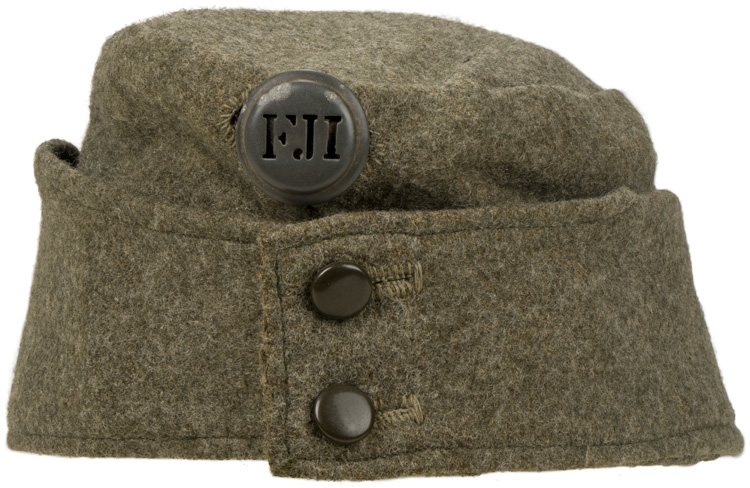
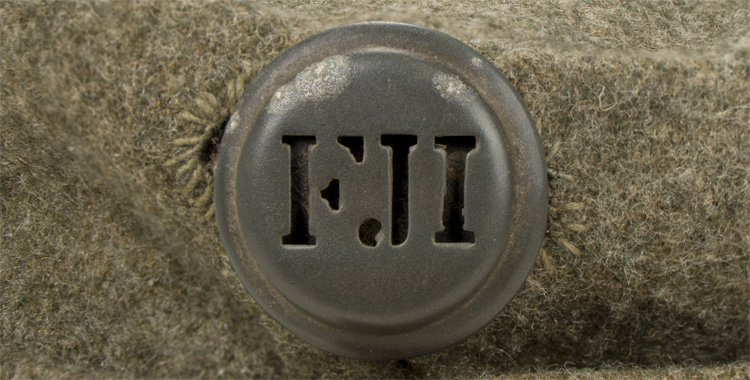
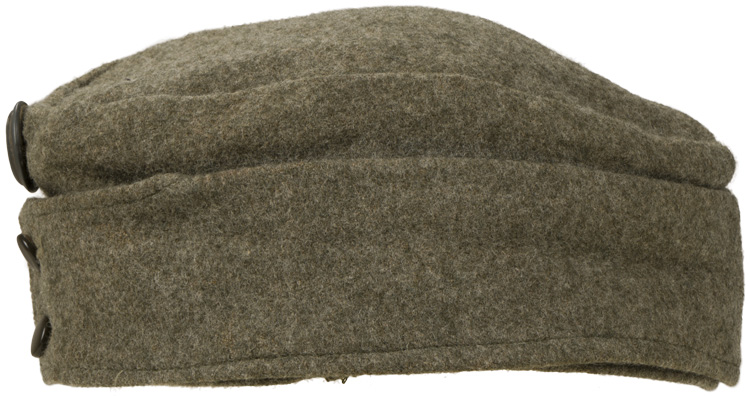
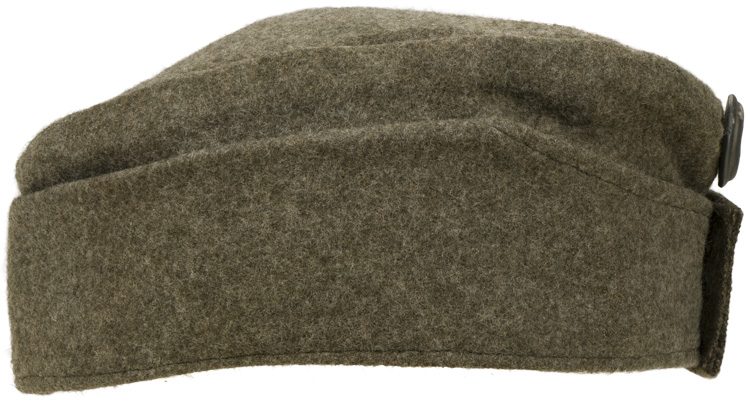
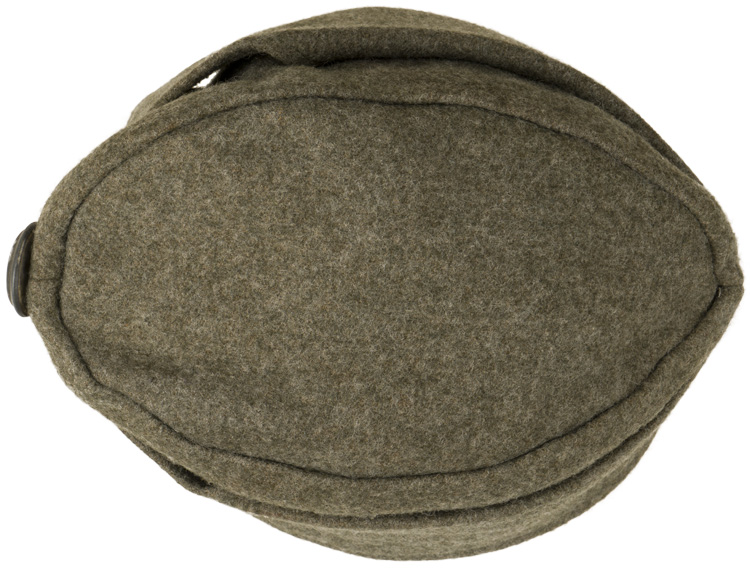
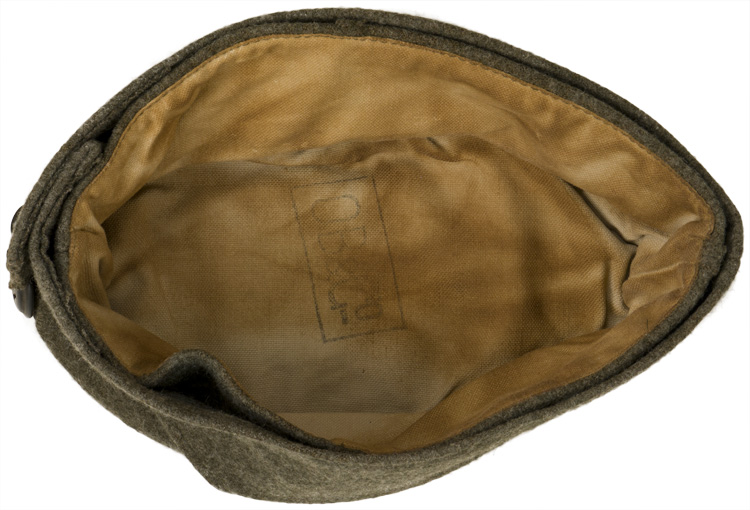
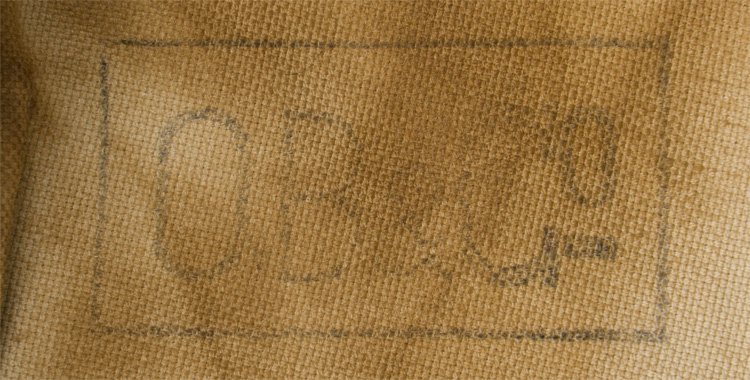
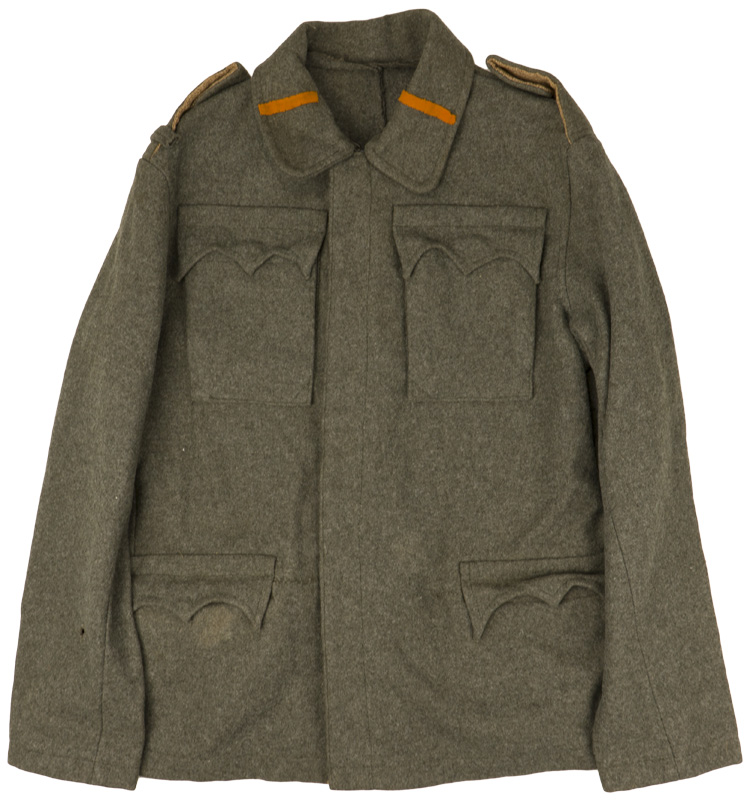
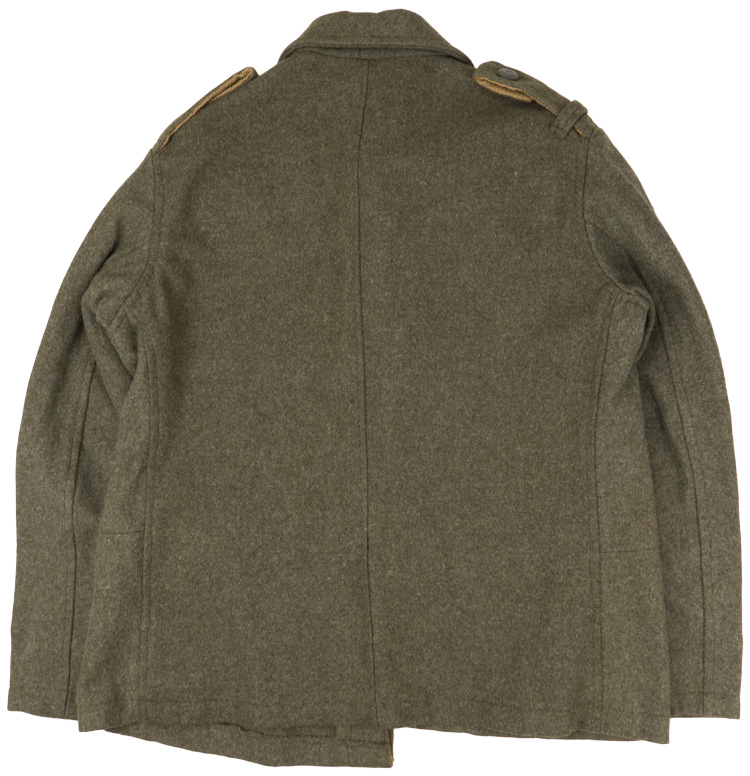
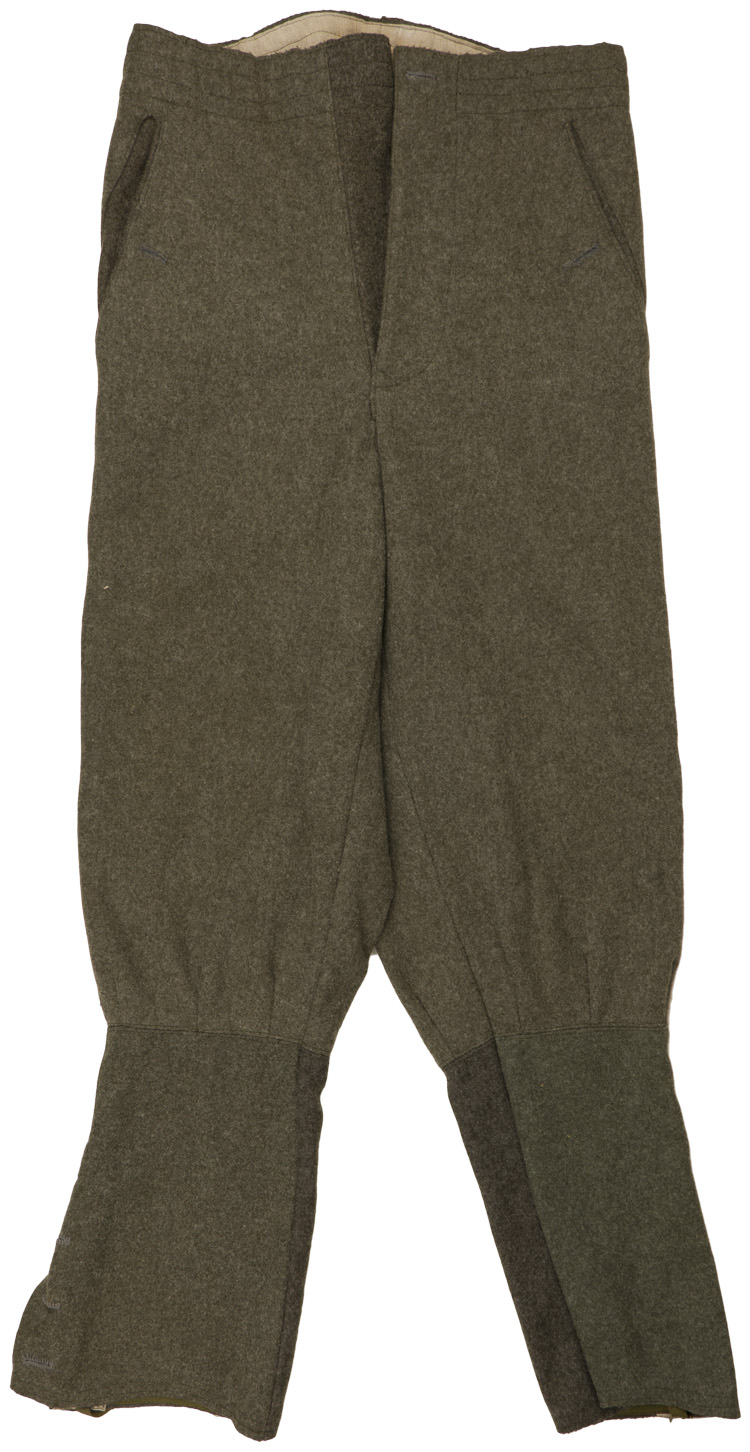
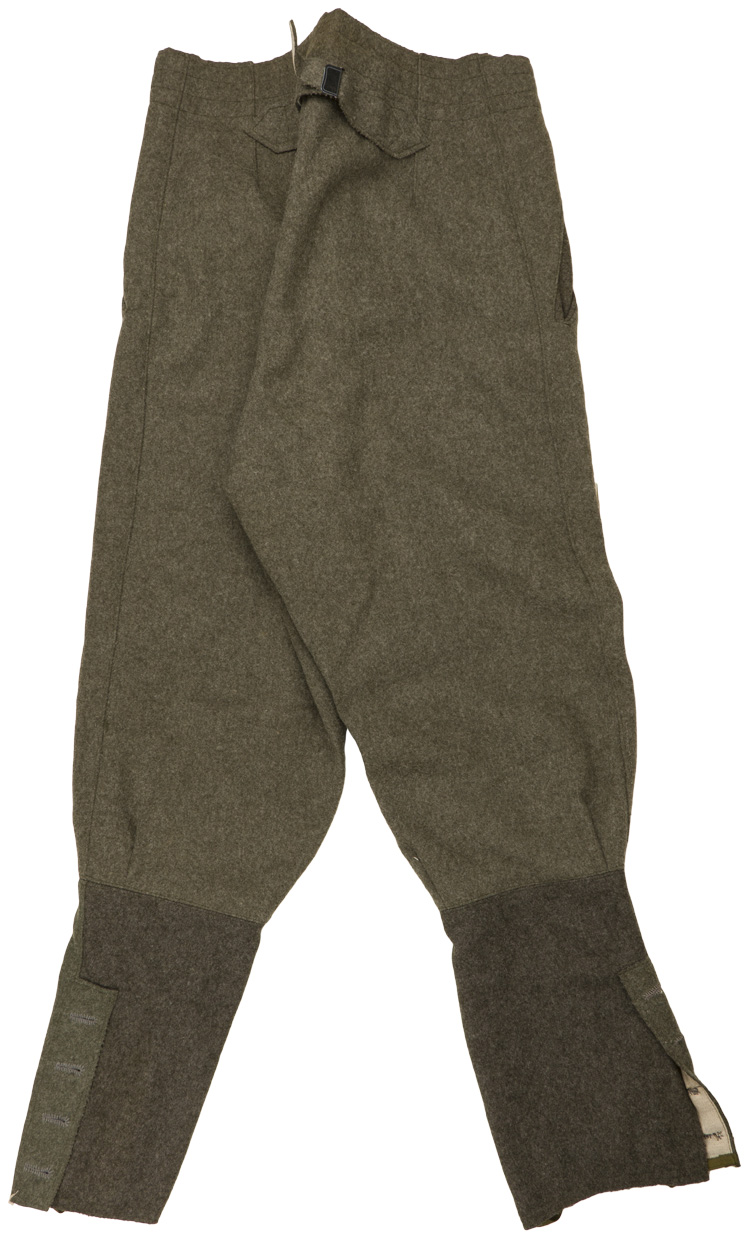
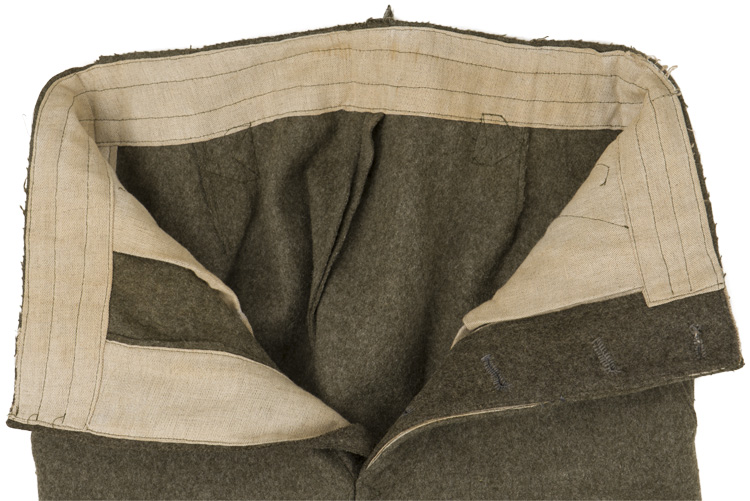
G004494 WW1 AUSTRIAN INFANTRY UNIFORM.
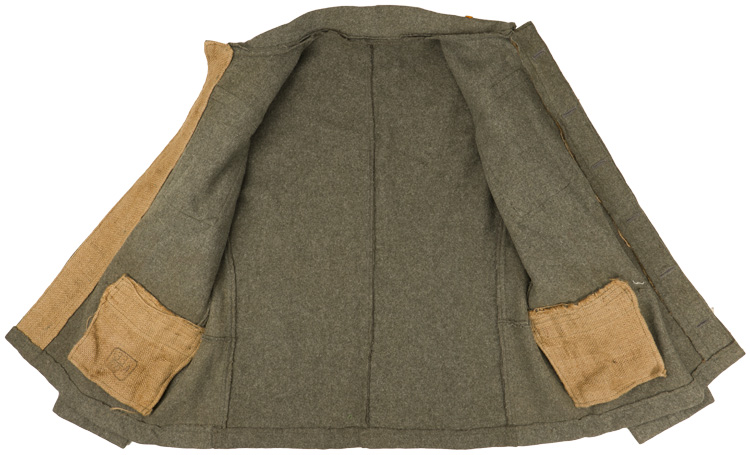
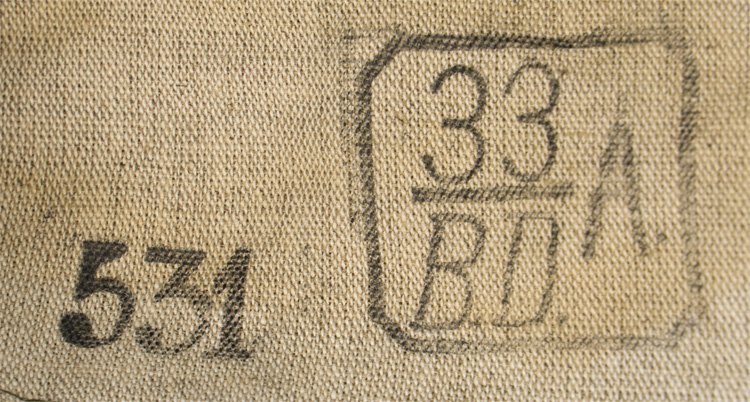
Complete uniform (tunic, trousers, and side cap) for an Austrian infantry soldier, WWI.
-Tunic chest size 36" -Trousers size 24". -Visor cap is roughly a 54. Notes. Buttons on tunic complete. Missing all buttons on the trousers.
The AH Infantry switched from their dark blue jacket, light blue pants in 1908 to
Hechtgrau. This blue gray uniform is what was worn at the beginning of the war and worn through a
large part of the war. Field gray of various shades from brown to tan to green was
introduced in 1915.
From 1915 onwards the jackets were produced in various shades of field grey and field
green usually with a stand and fall collar and due to supply and production difficulties
captured Italian tunics were taken into use. Later stages: Due to supply issues, the army
used a mix of pike-grey and field-grey uniforms. Over time, shortages led to the
introduction of various substitute uniforms in colors like brown and tan. The Karlbluse is a much better uniform, but to be honest, my favorite uniform would be
their 1914 uniform in field gray as opposed to pike gray, I actually like the look of the
uniform they went to war in, except the weird tight fit Hungarian trousers
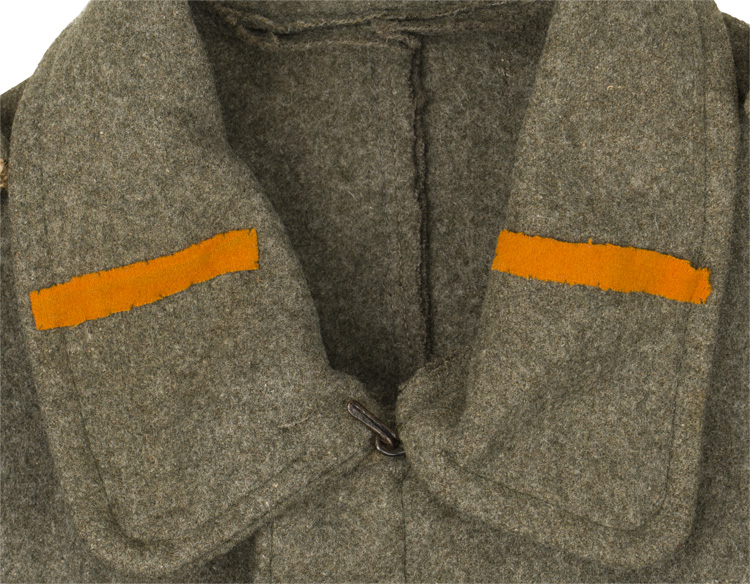
Rank and branch: These were shown on collar patches and later through simplified vertical strips on the collar.
Pike Grey Uniforms
The Austro-Hungarian troops that served at Gallipoli and in Palestine mostly wore the
same 1908 pike grey uniform (gradually replaced by field grey from 1916 onwards) as
worn by Austro-Hungarian troops in Europe.
Headdress consisted of a grey peaked cap held at the front by two brass buttons above
which was a Habsburg cockade in yellow and black. The peak of the cap was in black
leather. A contemporary illustration shows a form of neck shade was added to the cap
when worn in the hot climate of Gallipoli, although no photographic evidence for it has yet
been found. Officers wore a rigid shako of similar shape to the peaked cap also with a
black leather peak and Hapsburg cockade.
The fieldgrey tunic had a stand and fall collar, a concealed front, and four patch pockets,
the buttons of which were also concealed. The pocket flaps were scalloped with three
points. Different regiments or arm of service were denoted by coloured collar patches, and
rank was also displayed on the collar in the form of metallic lace and stars. In late 1916
these collar patches were abbreviated to small vertical strips on the collar and rank
insignia was worn in dull coloured lace. Shoulder straps were plain pike grey with the right
hand one having a roll at the end to help keep the rifle strap in position when marching.
Officers (and some other ranks) had no shoulder straps.
Fieldgrey trousers were worn with brown leather boots. Field grey puttees were introduced
for most troops by 1916. In cold weather, other ranks wore double breasted pike grey
greatcoats while officers usually wore double breasted jackets with fur collars. Equipment
was in brown leather.
Facing Colour: German Regiments Orange-yellow - 59
The 59 th Regiment was the famous “Rainer” Regiment, from Salzburg
History of the Rainer Regiment
The regiment was established as “Oberst van der Beckh” by Kaiser Leopold I in 1682 in
response to a new threat to Austria by the Ottoman Empire. Thereafter this regiment
proved itself on all the battlefields of Europe. In 1769, the regiment received the number
59.
Salzburg und Oberösterreich - Rekrutierungsgebiet des IR 59
When the principality of Salzburg finally became part of Austria in 1816, the regiment
consisted of recruits from Salzburg and both the Inn and Hausruck regions in Upper
Austria and thus became the house regiment of Salzburg.
EH Rainer von OEsterreich
In 1852, Archduke Rainer Ferdinand (painting by Eduard Kaiser, 1860, source:
Wikipedia), a nephew of Emperor Franz I., was named as the last regiment commander, and after his
death in 1913 Emperor Franz Joseph I. declared that this regiment would carry the name
"Archduke Rainer from this day forward.” After the Battle of Solferino, the Emperor
bestowed the following unforgettable words on the regiment: "This regiment is among the
bravest of the brave.& quot;
Obst. Schilhawsky
After a four year deployment on the Russian and Italian fronts in World War I from 1914-1918, in the beginning of November 1918 after the war had ended, the regiment was
reassigned from Bolzano in Tyrol back to its original garrison in Salzburg by its final
commander Lieutenant Colonel Richard Schilhawsky von Bahnbrueck. It was disbanded
there just like all of the other regiments of the Austro-Hungarian Army.
GRADE ****1/4
PRICE $ 
To Order this item, please use one of the two e-mail addresses below to contact us. Please make sure to quote the item number in your e-mail
MILITARIA WANTED! If you have items for sale, please contact us. We specialize in selling single pieces and entire collections. Over 3 decades in the business and we do all the work for you. Get the best return for your investment.
-E-Mail Address pawmac@nbnet.nb.ca Or guild@nb.aibn.com
To return to the main page please CLICK below